

Servers and Server Accessories
Servers and Server Accessories
In the world of modern computing, servers play a critical role in managing, storing, and processing vast amounts of data for businesses, organizations, and individuals alike. Whether it’s a small-scale local network or a large-scale data center, servers and server accessories are the backbone of IT infrastructure. This page provides an overview of servers and some essential server accessories.
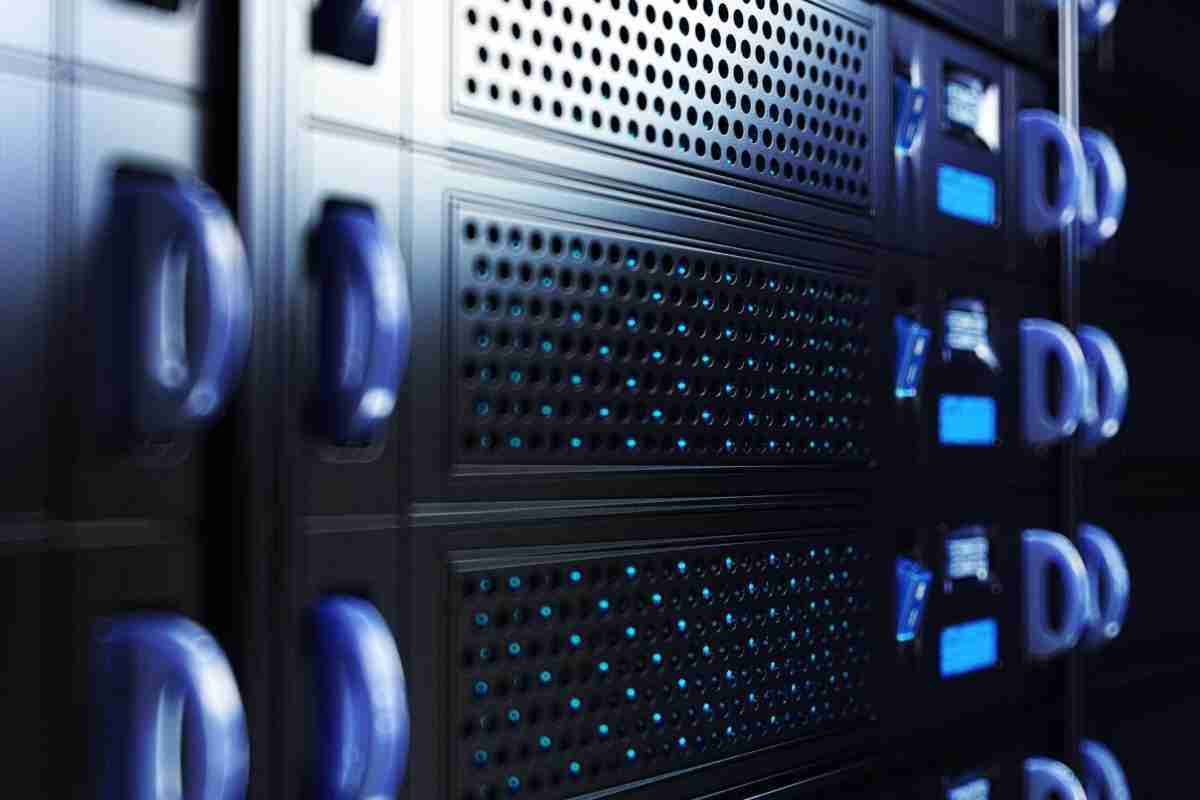
Servers:
Servers are powerful computers designed to provide specialized services to clients or other devices on a network. They handle various tasks, such as hosting websites, managing databases, running applications, and serving files to users. There are several types of servers, each tailored to specific functions:
- Web Servers: These servers store and deliver web content to users who access websites through browsers. Apache HTTP Server and Nginx are popular examples of web servers.
- File Servers: File servers are dedicated to storing and sharing files within a network. They facilitate data management and backup processes, ensuring easy access to shared resources for multiple users.
- Database Servers: As the name suggests, these servers are optimized for managing databases. They handle data storage, retrieval, and processing for applications that rely heavily on data, such as Customer Relationship Management (CRM) systems.
- Application Servers: Application servers host and execute applications and software, providing the necessary resources for users to interact with them.
- Mail Servers: Mail servers manage email communication, handling tasks like sending, receiving, and storing emails for users and organizations.
- Virtualization Servers: Virtualization servers use virtualization technology to create multiple virtual machines on a single physical server. This maximizes resource utilization and enables better server management.
Server Accessories:
Server accessories are essential components and peripherals that enhance the functionality, reliability, and security of servers. Some common server accessories include:
- Rack Mount Kits: These kits allow servers to be mounted securely in server racks, optimizing space usage and facilitating efficient cable management.
- Uninterruptible Power Supplies (UPS): UPS units provide backup power to servers in case of power outages, ensuring data integrity and preventing server downtime.
- Cooling Solutions: Servers generate a significant amount of heat, so cooling solutions like fans, heatsinks, and liquid cooling systems are crucial to maintaining optimal operating temperatures.
- Server Management Software: Server management software allows administrators to remotely monitor and control servers, ensuring smooth operations and quick troubleshooting.
- Redundant Power Supplies: Redundant power supplies provide a backup power source in case one power supply unit fails, adding an extra layer of reliability.
- Storage Solutions: External storage devices, such as Network Attached Storage (NAS) or Storage Area Network (SAN) systems, expand the server’s storage capacity for data-intensive applications.
- Security Devices: Firewalls, intrusion detection systems, and encryption tools help protect servers from security threats and unauthorized access.
- Cables and Connectors: High-quality cables and connectors ensure reliable data transmission between servers and network devices.
Conclusion:
Servers and server accessories form the backbone of modern computing infrastructures, enabling businesses and organizations to handle massive amounts of data and deliver critical services. From web hosting to data management, these powerful machines and their accessories play a crucial role in supporting various IT operations and ensuring seamless user experiences in the digital age.